




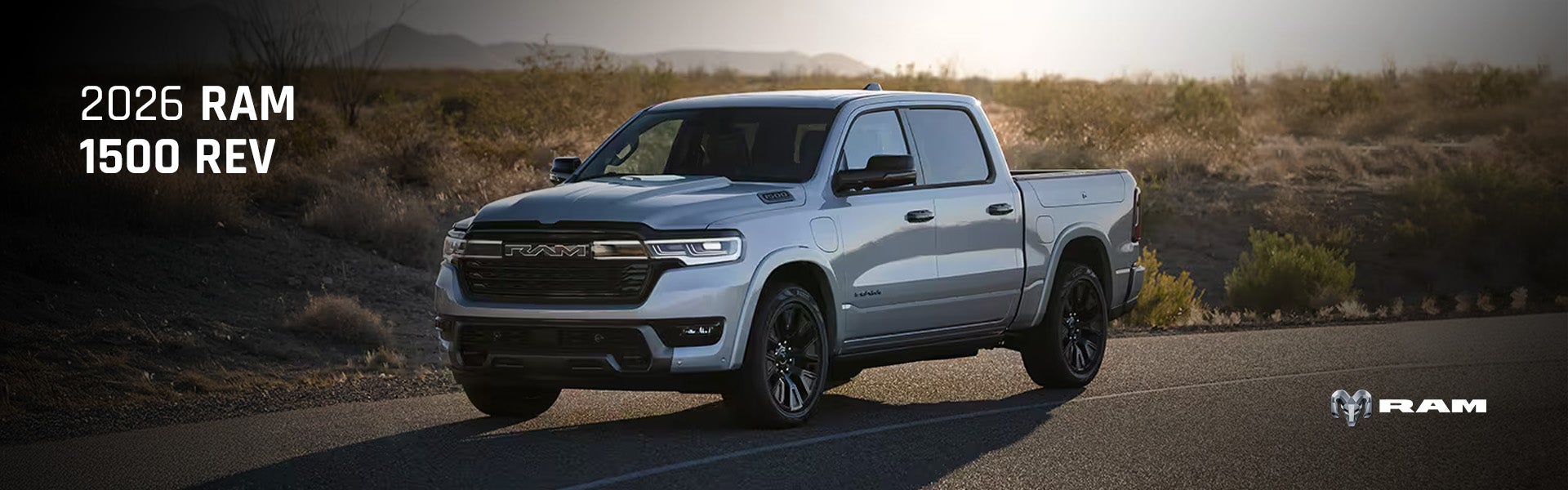
Keeping your Ram 1500 in good shape is easier when you stay ahead of routine maintenance and pay attention to how the truck is actually being used. At Kufleitner Chrysler Dodge Jeep Ram in Boardman, we help Ram 1500 owners from Youngstown, Canfield, Poland, Austintown, and throughout the Mahoning Valley keep up with oil changes, tires, brakes, filters, fluid checks, and other service needs. Your exact maintenance schedule depends on the model year, engine, drivetrain, mileage, and driving conditions, so your owner’s information and vehicle maintenance reminders should always come first. This guide gives you a practical overview of the major items to watch. Follow Your Ram 1500 Oil Change Indicator Current Ram 1500 models use an automatic oil-change indicator that takes operating conditions into account rather than relying on one fixed mileage interval. Things like frequent short trips, trailer towing, extended idling, and very hot or cold temperatures can affect when the Oil Change Required message appears. For the 2026 Ram 1500, an oil-change interval should not exceed 10,000 miles, 12 months, or 350 engine hours, whichever comes first. Once the indicator appears, service should be completed promptly. That makes the truck’s oil-life system a better guide than automatically changing the oil every 5,000 or 7,500 miles. Ram 1500 Maintenance Checklist Some maintenance items are checked frequently, while others become more important as mileage accumulates. Regular Checks It is a good idea to keep an eye on your Ram 1500 between service visits, especially before a long drive or towing trip. Regular checks can include: Engine oil level Tire pressure and condition Exterior and interior lights Battery terminals and connections Brake condition and brake fluid level Steering and suspension components Windshield wipers and washer fluid Coolant level Current Ram guidance recommends checking several of these items monthly or before a long trip. Around 10,000 Miles Current 2026 Ram 1500 guidance calls for tire rotation every 10,000 miles or sooner if there is a meaningful difference in tread depth between the tires. This is also a good time to inspect CV and universal joints and look for uneven tire wear that could point to an alignment or suspension issue. Around 12,000 to 15,000 Miles The cabin air filter should be inspected around 12,000 miles and replaced when necessary. Around 15,000 miles, current maintenance guidance also calls for inspection of front suspension and tie-rod ends, brake linings, and the parking brake. Around 30,000 Miles At approximately 30,000 miles, current Ram 1500 maintenance guidance includes replacing the engine air cleaner filter. This is also a point when front and rear axle surfaces should be inspected for signs of leakage. For trucks used for frequent trailer towing, fleet work, off-road driving, or other demanding use, axle-fluid service may be needed more often. Transfer-case fluid should also receive additional attention on four-wheel-drive trucks used under demanding conditions. Spark Plugs Spark-plug intervals depend on the engine. For current 2026 guidance, the 3.0L engine calls for spark-plug replacement at 60,000 miles, with a second replacement due at 120,000 miles. The 5.7L engine uses a shorter interval, closer to 90,000 to 97,500 miles depending on the source referenced. Because engine availability and maintenance requirements vary by model year, we recommend checking the schedule for your specific Ram 1500 rather than assuming one interval applies to every truck. Coolant and Longer-Term Maintenance Current 2026 guidance calls for engine coolant replacement at 10 years or 150,000 miles, whichever comes first. At higher mileage, your truck may also need additional attention to belts, transfer-case fluid, suspension components, and other wear items depending on its configuration and use. Ram 1500 Brake Maintenance Your brakes do not follow one universal replacement mileage. Their lifespan depends on driving habits, towing, terrain, traffic, and how much weight the truck regularly carries. Watch for signs such as: Squealing or grinding Vibration while braking A soft or unusual brake pedal Pulling to one side Longer stopping distances A brake warning light Brake linings and other brake components should be inspected regularly rather than waiting for a predetermined replacement mileage. Current Ram 1500 maintenance guidance also calls for brake-fluid replacement every 24 months. If your brakes feel or sound different than normal, schedule an inspection rather than waiting for the next routine maintenance visit. Tire Care for Northeast Ohio Driving Tires deal with a lot in Boardman and Youngstown, from winter temperatures and snow to potholes, road salt, summer heat, and construction. Check tire pressure regularly, especially when temperatures change significantly. Cold weather can cause tire pressure to drop, while potholes and curb impacts can contribute to alignment problems or tire damage. You should also watch tread depth and uneven wear. If your Ram 1500 starts pulling, the steering wheel sits off-center, or the tires begin wearing unevenly, an alignment inspection may be worthwhile. For drivers who spend a lot of time on snow-covered or poorly cleared roads, winter tires may also be worth considering. Ram 1500 Maintenance for Towing and Heavy Use A Ram 1500 that regularly tows or works hard may need different maintenance attention than one used mostly for commuting. Frequent trailer towing, dusty or off-road driving, fleet use, extended idling, and repeated short trips can affect oil life and increase wear on components such as: Brakes Tires Axles Transfer case Suspension Cooling system Current Ram maintenance guidance specifically calls for more frequent attention to axle and transfer-case fluids under certain demanding-use conditions. Rather than applying a generic “severe-duty” mileage schedule to every truck, we can help you build a maintenance plan around how you actually use your Ram 1500. Ram 1500 Transmission Maintenance Current Ram automatic transmissions do not necessarily follow the old-style routine of checking fluid with a dipstick at every service. For many modern Ram 1500 transmissions, fluid level is preset and routine level checks are not required under normal operating conditions. Ram also specifically cautions against using chemical transmission flushes because they can damage transmission components. If you notice rough shifting, slipping, delayed engagement, unusual noises, leaks, or another transmission concern, have the truck inspected rather than automatically scheduling a fluid flush based on mileage alone. Schedule Ram 1500 Service in Boardman Our service department at Kufleitner Chrysler Dodge Jeep Ram handles routine maintenance, diagnostics, and repairs for Ram trucks and other CDJR vehicles. We can help with: Oil and filter changes Tire rotations Brake inspections and service Battery testing Filters Fluid inspections Steering and suspension concerns Check-engine-light diagnosis Additional maintenance and repairs Our dealership is located at 7901 Market Street in Boardman and serves drivers throughout Youngstown, Austintown, Canfield, Niles, Warren, and the surrounding Northeast Ohio area. Whether you bought your Ram 1500 from us or somewhere else, you can bring it to our team for service. Frequently Asked Questions About Ram 1500 Maintenance How often does a Ram 1500 need an oil change? Current Ram 1500 models use an automatic oil-change indicator that adjusts based on operating conditions. For the 2026 Ram 1500, oil-change intervals should never exceed 10,000 miles, 12 months, or 350 engine hours, whichever comes first. Follow the oil-life system and the maintenance information for your specific model year. How often should I rotate the tires on a Ram 1500? Current 2026 Ram 1500 guidance calls for tire rotation every 10,000 miles or sooner if the difference in tread depth reaches the specified threshold. Tire wear can vary based on alignment, driving habits, towing, and road conditions. When should I replace the engine air filter? For the 2026 Ram 1500, the current maintenance schedule calls for replacing the engine air cleaner filter at approximately 30,000 miles. Dusty and off-road driving may require more frequent inspection. When should Ram 1500 spark plugs be replaced? The interval depends on the engine. Current 2026 guidance calls for spark-plug replacement at 60,000 and 120,000 miles for the 3.0L engine, and roughly 90,000 to 97,500 miles for the 5.7L engine. Check the schedule for your exact model year and engine before planning service. How often should Ram 1500 brake fluid be changed? Current 2026 Ram 1500 maintenance guidance calls for brake-fluid replacement every 24 months. Brake pads and other brake components should be inspected based on wear rather than replaced at one predetermined mileage. Does towing affect Ram 1500 maintenance? It can. Frequent towing can affect oil life and increase wear on brakes, tires, axles, suspension, and drivetrain components. Current maintenance guidance also calls for additional axle and transfer-case fluid service under certain frequent-towing and heavy-use conditions. Can I bring my Ram 1500 to Kufleitner even if I bought it somewhere else? Yes. Our service department works on Ram vehicles regardless of where they were purchased. You can bring your Ram 1500 to our Boardman service center for routine maintenance, diagnosis, or repair.

Winter Vehicle Prep in Northeast Ohio
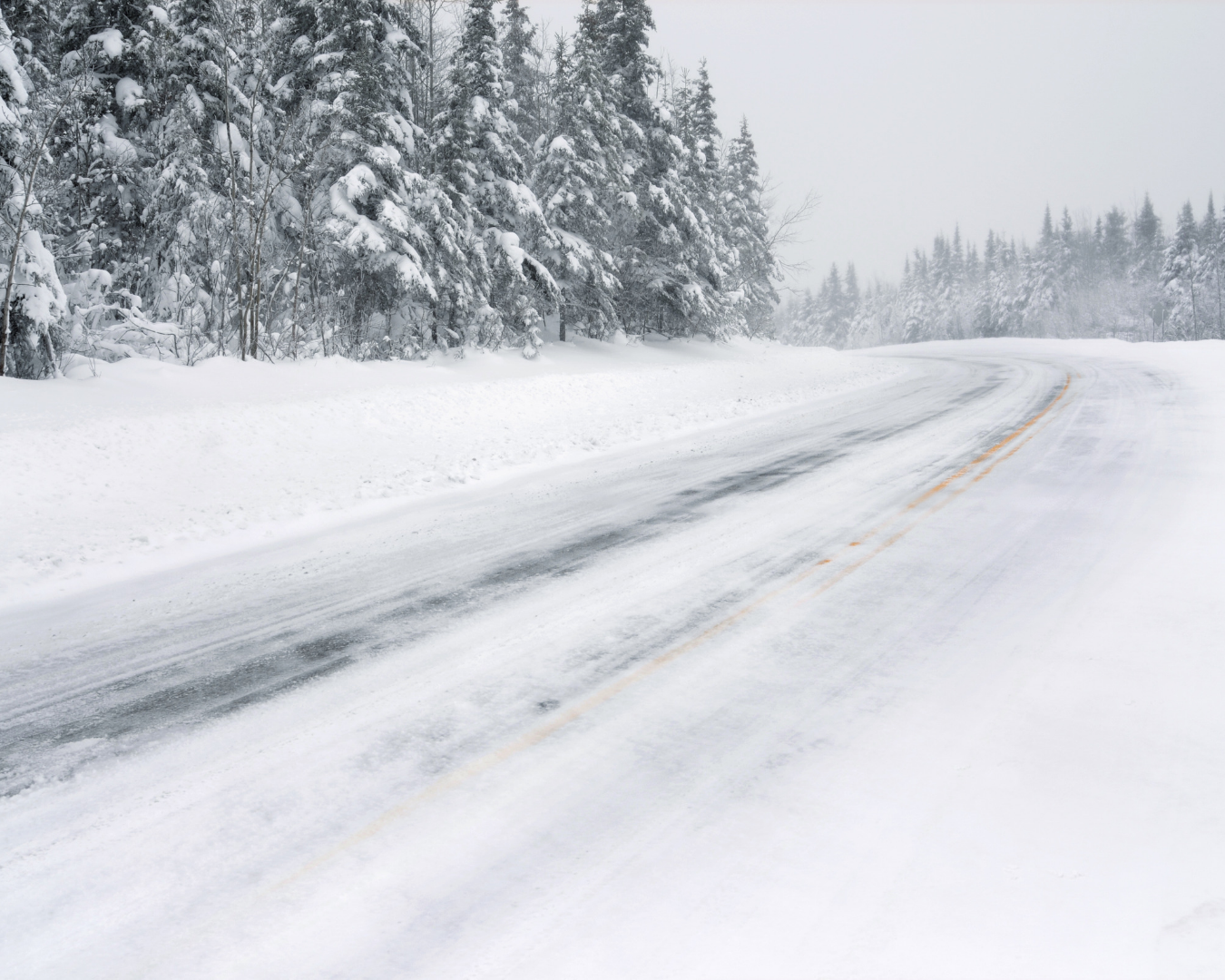
Ohio winter has a way of finding the weak spot in a vehicle. A battery that seemed fine all summer suddenly struggles on a freezing morning. Tire pressure drops with the temperature. Wiper blades that were “good enough” in October become a problem the first time you’re driving through sleet on Route 14. That’s why a little preparation before winter is worth the effort. At Columbiana Chrysler Jeep Dodge Ram, we help drivers from Columbiana, Salem, Lisbon, East Palestine, Leetonia, New Waterford, East Liverpool, and nearby communities get their vehicles ready for the colder months. You don’t need to replace everything before the first snowflake falls. You just want to know the important stuff is in good shape before you need it. Start With the Battery Cold weather is hard on batteries, especially one that is already getting weak. If the engine has started cranking more slowly, the lights seem dim at startup, or you simply don’t know how old the battery is, it’s worth having it tested before the temperatures really drop. The battery itself isn’t the only thing to look at. Corrosion around the terminals, loose connections, and charging-system problems can also show up as starting trouble. Our service department can test the battery and take a look at the surrounding components before you end up dealing with a no-start on a cold morning. Check Your Tires Before the Snow Good tires matter in every season, but winter tends to expose problems pretty quickly. Start with tread condition. If the tires are getting worn, snow and slush will only make the lack of grip more noticeable. Uneven wear may also be a sign that it’s time to look at alignment or suspension condition. Then keep an eye on pressure. Tire pressure naturally changes as temperatures fall, so a tire that was properly inflated during a warm October afternoon may need attention once colder weather settles in. Some drivers around Columbiana County are comfortable with a good set of all-season tires. Others prefer dedicated winter tires, particularly if they spend a lot of time on rural roads, leave early before the plows have been through, or regularly drive in heavier snow. There isn’t one tire choice that fits everyone. How and where you drive should guide that decision. Don’t Wait Until You Can’t See to Replace Your Wipers Winter visibility can get ugly fast. Snow, road spray, salt, freezing rain, and dirty slush can cover a windshield in minutes. If your wipers are already streaking or skipping, they probably aren’t going to get better when temperatures drop. It’s also a good time to check your washer fluid and make sure what’s in the reservoir is rated for colder temperatures. And when the vehicle is covered in heavy snow or ice, clear it with a brush and scraper rather than asking the wipers to do all the work. Headlights and taillights deserve a quick look too. Winter means more driving in the dark, so a burned-out bulb or badly clouded lens is worth addressing before the days get shorter. Make Sure the Brakes Feel Right Winter isn’t the season to ignore a brake issue you’ve been meaning to get checked. Pay attention if the vehicle starts taking longer to stop, pulls to one side, vibrates under braking, makes a grinding or squealing noise, or simply feels different than it normally does. Brake wear doesn’t follow one perfect mileage schedule. Driving habits, vehicle weight, towing, traffic, road conditions, and the components themselves all play a role. If something feels off, have it inspected before you’re relying on those brakes on a slick road. Oil, Coolant and Other Fluids You don’t need a special “winter oil change” just because the calendar says November. What matters is staying current with the maintenance schedule for your specific vehicle and using the correct oil type and viscosity. If an oil change is already coming due, taking care of it before winter is one less thing to worry about once the weather gets messy. Coolant is another important one. The cooling system has to protect the engine through both summer heat and winter cold, so leaks, low coolant, damaged hoses, or an overdue service shouldn’t be ignored. Washer fluid, brake fluid, transmission fluid, transfer-case fluid, and differential fluids all have their own maintenance requirements too. Rather than automatically replacing everything for winter, check the schedule for your vehicle and deal with what is actually due. Our current service department handles fluid checks, cooling-system work, oil and filter changes, batteries, brakes, belts, hoses, and other maintenance at the Columbiana location. Check the Heat and Defroster You’ll notice a weak heater pretty quickly in January, but the defroster may be even more important. Make sure warm air is reaching the windshield properly and that the front and rear defrost systems are doing their jobs. If the cabin takes forever to warm up, airflow seems weak, or the windows won’t clear the way they should, it’s better to find out why before the first freezing morning. A dirty cabin air filter can affect airflow too, so that may be worth checking if it’s due for replacement. Jeep and Ram Owners: Check Your 4x4 System Before You Need It Four-wheel drive is useful, but the middle of a snowstorm is a terrible time to discover you aren’t sure how it works. If you drive a Jeep or Ram with selectable 4x4, make sure you know how to engage the system and which modes are appropriate for different conditions. Your owner’s manual is the best guide for your particular model. If the system hasn’t been used in a while, seems reluctant to engage, or is displaying a warning message, bring it in before winter weather becomes part of the daily forecast. And remember that 4x4 helps with traction. It doesn’t make stopping distances disappear. Tires, brakes, speed, and good judgment still matter once the road gets slick. Put Together a Simple Winter Emergency Kit You don’t need to turn the cargo area into a survival bunker. A few basics can make a bad situation much easier if you get stuck, lose power, or end up waiting for help: Ice scraper and snow brush Blanket or warm clothing Flashlight Jumper cables or a portable jump pack Phone charger Small shovel Basic first-aid supplies Water and a few snacks Gloves Traction material if you regularly drive rural roads If you travel between smaller communities around Columbiana County during the winter, it’s especially worth keeping a few supplies in the vehicle rather than assuming help will always be five minutes away. Don’t Forget About Road Salt Snow gets most of the attention, but road salt is another part of an Ohio winter. It gets into wheel wells, around suspension components, and underneath the vehicle. Washing the vehicle periodically throughout winter, including the underside when possible, can help clear away some of that buildup. Spring is also a good time to take another look underneath the vehicle and check for anything winter may have damaged. Schedule Winter Service in Columbiana You don’t have to wait until something goes wrong to bring your vehicle in. If the battery is questionable, the tires are getting worn, the brakes feel different, or you simply want to take care of maintenance before winter settles in, our service department is here at 100 Commerce Circle in Columbiana. Current service hours are Monday through Friday from 7:30 AM to 6:00 PM and Saturday from 7:30 AM to 2:00 PM. You can also check our current Mopar service offers before your visit and schedule your appointment online. The goal isn’t to replace parts that don’t need replacing. It’s simply to find the small problems now, before freezing temperatures and winter roads have a chance to turn them into bigger ones. Frequently Asked Questions About Winter Vehicle Prep in Ohio When should I get my vehicle ready for an Ohio winter? Fall is a good time to start checking tires, battery condition, brakes, wipers, lights, fluids, and other basic maintenance. You don’t need to wait for the first snowstorm. Taking care of anything questionable beforehand gives you time to address it without the rush that usually follows the first stretch of genuinely cold weather. Does my Jeep or Ram need special maintenance before winter? Not necessarily. Follow the maintenance schedule for your particular vehicle, but winter is a good time to make sure the battery, tires, brakes, heater, defroster, and fluids are in good condition. If your Jeep or Ram has a selectable 4x4 system, make sure you know how it operates and have any warning lights or engagement problems checked. How can I tell if my battery is getting weak? Slow cranking, trouble starting, dimming lights at startup, or an older battery are all good reasons to have it tested. A battery can also fail without giving you much warning, which is why testing before colder weather can be useful. Are all-season tires enough for an Ohio winter? They can be for many drivers, especially when the tires are in good condition and most travel is on regularly cleared roads. Winter tires may be worth considering if you regularly drive in deeper snow, travel rural roads, leave before roads are cleared, or simply want additional cold-weather traction. Should I change my oil before winter? Change the oil when your vehicle’s maintenance schedule or oil-life system calls for it. If you’re already close to being due, getting it taken care of before winter can be convenient. Use the oil specification recommended for your particular engine rather than switching oil types solely because the weather is getting colder. What should I keep in my vehicle during winter? An ice scraper, snow brush, blanket, flashlight, jumper cables or jump pack, charger, gloves, water, snacks, and basic first-aid supplies are a good start. Drivers who spend more time on rural or less-traveled roads may also want to carry a small shovel and something that can provide extra traction. Does Columbiana CDJR offer winter vehicle service? Yes. Our Columbiana service department handles many of the items that matter before winter, including batteries, brakes, tires, oil and filter changes, cooling-system service, belts, hoses, fluid checks, headlights, and general maintenance. Where is Columbiana Chrysler Jeep Dodge Ram? We’re located at 100 Commerce Circle in Columbiana, Ohio, convenient for drivers from Salem, Lisbon, East Palestine, Leetonia, New Waterford, East Liverpool, and other nearby Columbiana County communities.