




Kufleitner Chrysler Dodge Jeep Ram

Blog / Winter Driving

Best CDJR Vehicles for Northeast Ohio Winters

Best CDJR Vehicles for Northeast Ohio Winters

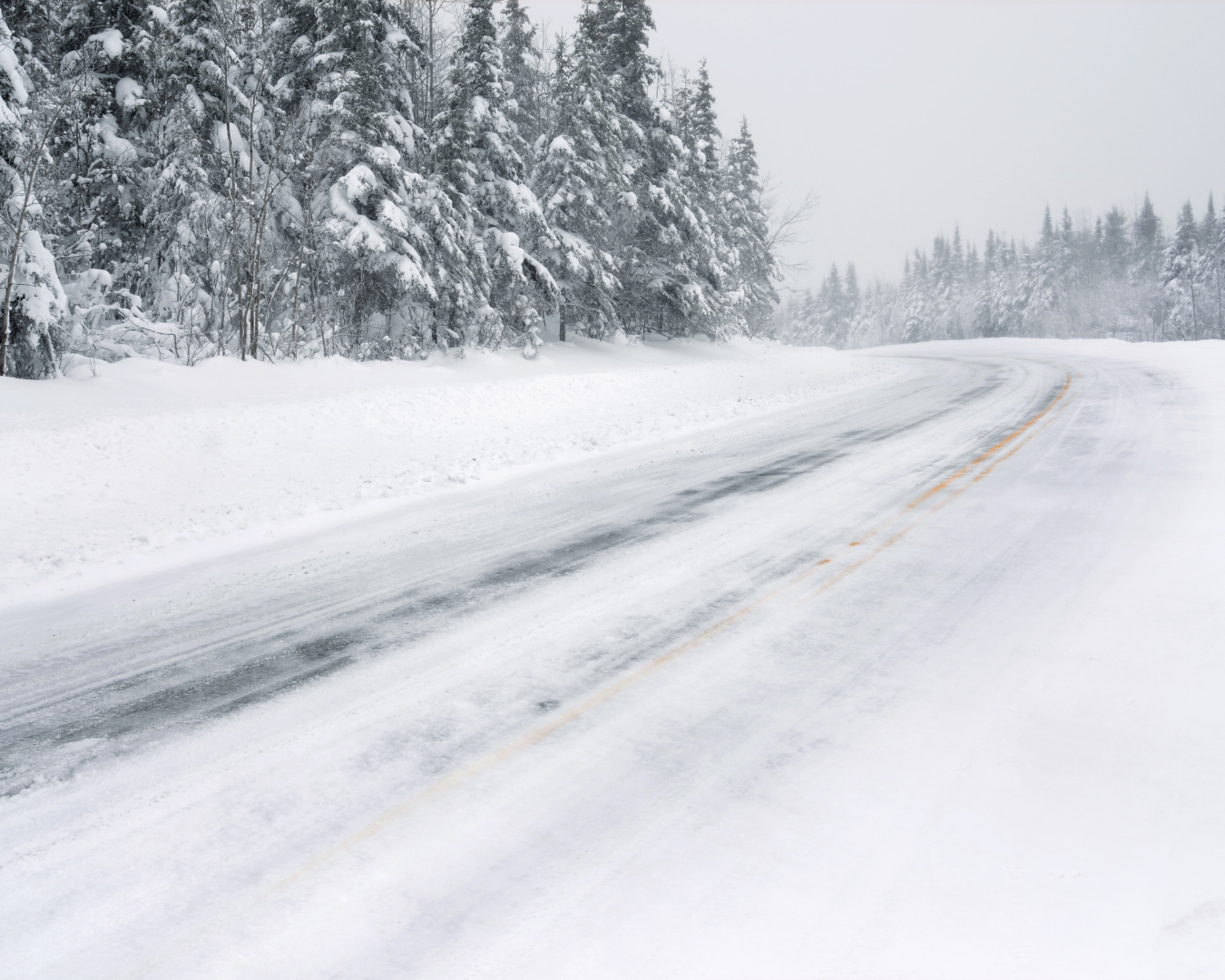
Winter driving around Boardman and Youngstown can change quickly. One morning the roads are dry, and by the trip home you may be dealing with snow, slush, freezing temperatures, or the aftermath of another round of salt and plowing.

That doesn’t mean everyone in Northeast Ohio needs the biggest 4x4 they can find. What matters is choosing a vehicle that fits where you drive, how much room you need, and how often you find yourself out before the roads have been completely cleared.

Fortunately, there are plenty of Chrysler, Dodge, Jeep, and Ram vehicles that make sense for this part of Ohio.

Jeep Wrangler

It’s hard to start anywhere else.

Every 2026 Jeep Wrangler has a 4x4 system, with different setups available depending on the model. Command-Trac handles the kind of traction needs most Wrangler owners will encounter, while Rubicon models step things up with the Rock-Trac 4x4 system and hardware intended for much more demanding terrain.

For winter driving around Youngstown, the Wrangler’s biggest advantages are its four-wheel-drive capability and useful ground clearance. Those can come in handy when you’re dealing with an unplowed driveway, deeper accumulation on a side street, or a parking lot that hasn’t seen the plow yet.

You may never use everything a Wrangler can do off-road, but Northeast Ohio winters give you plenty of opportunities to appreciate some of that capability.

Jeep Grand Cherokee

The Grand Cherokee makes a lot of sense for someone who wants winter capability without driving something that feels like an off-road vehicle every day.

It’s quieter and more refined than a Wrangler, has plenty of room for everyday family use, and offers two available 4x4 systems for 2026: Quadra-Trac I and Quadra-Drive II. The available Quadra-Lift air suspension can also raise the vehicle when additional ground clearance is useful.

That combination works well for commuting on Route 224 or I-680, getting the kids where they need to go, and still having something you’re comfortable taking out when the forecast turns ugly.

Need more seating? The Grand Cherokee L gives you a third row without moving away from the Grand Cherokee family.

Jeep Cherokee and Compass

You don’t necessarily need a Wrangler or Grand Cherokee to get useful winter traction from a Jeep.

The Cherokee is back for 2026, and it’s very different from the previous generation. The new Cherokee uses a turbo hybrid powertrain, and every trim comes with Jeep Active Drive I 4x4. There’s no need to plug it in, either.

The Compass is another good fit if most of your driving happens around Boardman, Canfield, Austintown, and Youngstown. Four-wheel drive is standard for 2026, along with a Selec-Terrain system that includes a Snow mode. The available Compass Trailhawk adds more ground clearance and Jeep Active Drive Low for drivers who want something a little more capable.

These are worth a look if you want the extra traction but don’t need the size of a larger SUV.

Dodge Durango

The Durango belongs on this list too.

It gives families three rows of seating while still offering available AWD. On current 2026 HEMI-powered Durango models, AWD comes standard, while it remains available with the V6.

That makes the Durango a nice middle ground for someone who needs passenger space but still wants a vehicle that feels substantial when the weather gets bad.

It’s also a particularly good option if winter capability isn’t your only concern and you need meaningful towing capability during the rest of the year.

Chrysler Pacifica AWD

A minivan may not be the first vehicle people picture when they think about Ohio winter driving, but the Pacifica deserves a spot here.

All-wheel drive is available on the 2026 Pacifica Select, Limited, and Pinnacle. Its AWD system can automatically send power where it’s needed when traction changes.

For a family that spends most of its time on paved roads, that may be all the winter capability you actually need. You still get the sliding doors, passenger space, and cargo flexibility that make the Pacifica useful every day, with AWD there for snowy commutes and school runs.

Ram 1500

If you need a pickup anyway, a 4x4 Ram 1500 gives you a truck that can work all year and still be ready when winter arrives.

The 2026 Ram 1500 offers several 4x4 powertrain choices, including the 3.6L Pentastar V6 with eTorque, available Hurricane engines, and the returning 5.7L HEMI V8 with eTorque.

For homeowners, contractors, and anyone regularly hauling or towing, that means you don’t have to choose a separate “winter vehicle.” Just make sure the specific truck you’re shopping has the drivetrain and tires that make sense for where you drive.

Ram 2500 and 3500

For some people around the Mahoning Valley, winter weather doesn’t mean the work stops.

If your day involves hauling equipment, towing a trailer, plowing, or getting to jobsites regardless of the forecast, a 4x4 Ram 2500 or 3500 may make more sense than a light-duty truck.

These are heavy-duty pickups first, so we wouldn’t recommend moving up to one simply because it snows here. But if you already need the towing, payload, or commercial capability, available 4x4 makes them well suited to year-round work.

Our commercial vehicle inventory is also worth checking if the truck is going to be part of your business.

Jeep Gladiator

The Gladiator is an interesting option for someone caught between a Wrangler and a pickup.

You get standard 4x4, the open-air character of a Jeep, and a truck bed for tools, equipment, or weekend gear. The 2026 Gladiator also uses the familiar 3.6L Pentastar V6.

Around Northeast Ohio, it can be a fun answer for someone who genuinely wants both Jeep capability and pickup utility without owning two vehicles.

Don’t Forget About the Tires

AWD and 4x4 help you get moving when traction is limited. Your tires still have an enormous effect on how well the vehicle turns and stops.

That’s why we’d rather see someone driving a properly maintained vehicle on good tires than assuming four-wheel drive makes tire condition irrelevant.

Check your tread before winter, keep an eye on pressure as temperatures drop, and consider winter tires if you spend a lot of time driving before roads are cleared or regularly travel on rural and secondary roads.

A good set of winter tires can be especially helpful once temperatures stay cold because the rubber compounds are designed to remain more flexible in low temperatures.

A Few Things Worth Checking Before Winter

Battery trouble tends to show itself at the worst possible time. If yours is already struggling in the fall, a freezing January morning probably won’t improve the situation.

Tires, brakes, wipers, washer fluid, coolant, exterior lights, and battery condition are all worth checking before winter settles in. Road salt is another reality around Boardman and Youngstown, so keeping the vehicle washed throughout the season, especially underneath, is a simple habit that can help limit salt buildup.

If you’re not sure what condition everything is in, our service department can take a look.

Find a Winter-Ready Vehicle at Kufleitner Boardman

There really isn’t one “best” winter vehicle for everyone.

Someone commuting from Canfield to Youngstown may be perfectly happy in a Compass or Pacifica with the right drivetrain and tires. A family that needs more space might lean toward a Grand Cherokee L or Durango. Someone who regularly deals with deeper snow, jobsites, or unplowed roads may be much happier in a Wrangler or Ram.

That’s why we’d rather start with how you actually drive.

Kufleitner Chrysler Dodge Jeep Ram is located at 7901 Market Street in Boardman. Browse our new vehicle inventory to see what’s currently available, or stop in and compare a few options in person. Kufleitner’s current inventory includes 2026 Wrangler, Cherokee, Grand Cherokee, Compass, Gladiator, Ram 1500, Ram 2500 and Ram 3500 models, among others.

Frequently Asked Questions

What is the best Jeep for snow in Northeast Ohio?

It depends on how you drive. The Wrangler is a strong choice if ground clearance and 4x4 capability are priorities, while the Grand Cherokee gives you capable available 4x4 systems in a more comfortable everyday SUV. The Compass and new 2026 Cherokee are also worth considering if you want something smaller.

Is a Ram 1500 good in the snow?

A Ram 1500 equipped with 4x4 can be a very capable winter truck. Tires still matter, though, and an empty pickup can behave differently on slick roads than one carrying weight, so smooth driving and proper winter preparation remain important.

Do I need 4x4 for an Ohio winter?

Not necessarily. AWD and 4x4 can both provide useful extra traction, but many Northeast Ohio drivers do just fine with AWD. The right choice depends on the roads you travel, how quickly they’re usually cleared, and whether you regularly drive through deeper snow or on unpaved surfaces.

Is the Jeep Compass good for winter driving?

The 2026 Compass comes standard with Jeep Active Drive 4x4 and Selec-Terrain, including a Snow setting. The Trailhawk adds additional off-road capability and ground clearance.

Does the Chrysler Pacifica offer AWD?

Yes. AWD is available on the 2026 Pacifica Select, Limited, and Pinnacle, making it a useful option for families who want minivan space along with additional winter traction.

When should I start thinking about winter tires?

It’s better to think about them before the first snowstorm is in the forecast. Winter tires are designed for cold temperatures as well as snow and ice, so many drivers make the switch once temperatures are consistently getting down into the colder range rather than waiting for a major storm.

Can Kufleitner help get my vehicle ready for winter?

Yes. Our Boardman service department can help with tires, batteries, brakes, oil changes, wipers, fluid checks, and other maintenance before winter weather arrives.

Posted in:

Recommended Posts

New vs. Used Jeep: Which Should You Buy?

New vs. Used Jeep: Which Should You Buy?

Few shopping decisions spark as much debate as new versus used. A new Jeep brings the latest features and a full factory warranty, and a used or certified Jeep stretches your budget and can put a higher trim within reach. Each path fits a different kind of buyer, so this guide lays out how they compare for Mahoning Valley drivers choosing between a showroom model and a pre-owned one. Feature New Jeep Used or certified Jeep Budget Higher purchase price Lower purchase price, often a higher trim for the money Warranty Full factory coverage Remaining factory coverage, plus added certified coverage on CPO models Features Latest technology and options Features vary by model year Selection Choose color, trim and options Choose from what is available Financing New-vehicle offers when available Used-vehicle rates through our lenders Pricing, offers and coverage vary by vehicle, and our team can confirm the details on any Jeep in stock. Budget and Depreciation A new vehicle typically loses the largest share of its value in the first years of ownership, and a used Jeep lets the first owner absorb that change. Mileage, condition and model year all matter, so compare total costs, including insurance and fuel, before you decide. Warranty and Certified Pre-Owned A new Jeep carries full factory coverage, which gives many buyers peace of mind through the early years. Certified pre-owned Jeeps pass a detailed inspection and add extra coverage on top of any remaining factory warranty. Our certified pre-owned page explains the program, and our team can show you the specific coverage on each certified vehicle. Features and Model Choice Buying new means you pick the exact color, trim and options, and you get the latest technology, such as the standard 12.3-inch touchscreen on today's Grand Cherokee. Buying used opens a wider range of model years and trims, including popular Wranglers and Gladiators built in earlier configurations. Tell us your priorities and we will help you weigh them. Financing and Trade-In Both paths offer financing options. New Jeeps may qualify for manufacturer offers, and used vehicles may carry different rates. Run the numbers with our payment calculator, get pre-approved on our financing page and see what your current vehicle is worth with our trade appraisal tool. A strong trade value can lower the cost of either path. Which Route Fits Which Buyer? Buyers who want the latest features and full factory coverage: new Buyers who want to stretch a budget toward a higher trim: used or certified Buyers who want added peace of mind on a pre-owned Jeep: certified pre-owned Buyers who love a specific color or option combination: new Shop New and Used Jeeps in Boardman Browse our new Jeep inventory and used vehicles, and check new specials and used specials for current offers. Questions about which path fits? Contact us and our team will help you weigh the options. FAQs Is a used Jeep a better value than a new one? It can be, depending on the vehicle's age, mileage and condition. Compare the purchase price, coverage and expected costs for the specific Jeeps you are considering. What does certified pre-owned mean? A certified pre-owned Jeep passes a detailed inspection and carries added coverage beyond any remaining factory warranty. Ask our team for the coverage details on any certified vehicle. Can I finance a used Jeep? Yes. Our finance team works with lenders on both new and used vehicles, and you can start on our financing page. Should I trade in my current vehicle? If you have a vehicle to trade, it can lower your cost on either path. Start with our value your trade page to see an estimate.

Jeep 4xe vs. Gas: Which Is Right for You?

Jeep 4xe vs. Gas: Which Is Right for You?

The Jeep 4xe pairs a turbocharged engine with an electric motor and a plug-in battery, so you can drive short trips on electricity and rely on gas for longer ones. Gas Jeeps keep things simple with a single powertrain and an ownership routine that skips charging. One important update for shoppers: Jeep has phased out its plug-in hybrids beginning with the 2026 model year, so the 4xe is a used and certified choice today. This guide compares the two so Mahoning Valley drivers can decide which fits their routine. Feature Wrangler 4xe Grand Cherokee 4xe Gas Wrangler / Grand Cherokee Power 375 hp, 470 lb-ft 375 hp, 470 lb-ft 270 or 285 hp (Wrangler); 293 or 324 hp (Grand Cherokee) Electric range Up to 21 miles Up to 25 miles Gas power Total range Up to 370 miles Up to 470 miles Varies by engine Efficiency 49 MPGe 56 MPGe Wrangler 20/22 mpg (2.0L); Grand Cherokee 19/26 mpg Towing Ask our team Up to 6,000 lbs Grand Cherokee up to 6,200 lbs Ratings are EPA-based estimates and vary by model year and configuration. Our team can confirm the details on any vehicle in stock. Charging and Your Commute The 4xe rewards drivers who can plug in at home. A morning commute from Boardman to downtown Youngstown can fall within the electric range of 21 miles in the Wrangler 4xe or 25 miles in the Grand Cherokee 4xe, and a full battery and tank extend the total range to 370 and 470 miles. Drivers who park on the street still get a capable Jeep, though the electric benefit shrinks. Our EV charging tips explain how Ohio drivers can set up a simple routine. Power and Capability Both 4xe models make 375 horsepower and 470 lb-ft of torque, a quick launch for merging onto I-680, and the Wrangler 4xe delivers quiet electric trail driving. Gas models bring their own strengths: the Wrangler offers a 270-horsepower 2.0L turbo or a 285-horsepower V6, and the Grand Cherokee offers a 293-horsepower V6 or an available 324-horsepower 2.0L turbo. The gas Grand Cherokee tows up to 6,200 pounds, compared with 6,000 pounds for the 4xe. Road Trips and Ownership Routines Gas models fill up in minutes and skip the charging plan, which suits frequent trips to Pittsburgh, Columbus or Lake Erie. The 4xe handles those trips as well, because its gas engine takes over when the battery runs low. Ownership routines differ: 4xe owners benefit from plugging in each night, and gas owners follow the familiar rhythm of a stop at the pump. What to Ask About a 4xe Where will you charge, and how far is your typical day? What is the vehicle's service and recall history? How does the battery coverage apply to a used or certified model? Which gas Jeep would you consider if your routine changes? Shop Jeep in Boardman Browse our used Jeeps and new Jeep inventory, and ask our team what 4xe models are on the lot today. Our certified pre-owned program is another good place to start, and you can compare monthly payments with our payment calculator. For service questions, visit our service center or contact us. FAQs Is the Jeep 4xe still sold new? Jeep has phased out its plug-in hybrids beginning with the 2026 model year. Availability changes, so ask our team what 4xe models are on the lot today. How far does a Jeep 4xe go on electricity? The Wrangler 4xe offers up to 21 miles of electric range, and the Grand Cherokee 4xe offers up to 25 miles. Cold Ohio weather and driving style can change the result. Does the 4xe cost less to run than a gas Jeep? It can, depending on your electric rates, gas prices and how often you charge. We suggest tracking your daily miles and charging access before you decide. Which Jeep is better for towing, 4xe or gas? The gas Grand Cherokee is rated up to 6,200 pounds, and the Grand Cherokee 4xe up to 6,000 pounds. Our team can confirm the rating for the specific vehicle you choose.

2026 Jeep Compass vs. Grand Cherokee

2026 Jeep Compass vs. Grand Cherokee: Which Size Fits Your Life?  

Many Jeep shoppers narrow their search to the same two questions: do I want a compact SUV that slips into tight parking spots, or a midsize SUV with more room, power and presence? The 2026 Jeep Compass and Grand Cherokee answer those questions in different ways. Here is how they compare for Mahoning Valley drivers who commute along Market Street, haul kids to weekend games and head out for trips to Pittsburgh or Lake Erie. Feature 2026 Compass 2026 Grand Cherokee Seating 5 5 Length About 173.4 in About 193.5 in Cargo 27.2 cu ft behind rear seats, 59.8 maximum 37.7 cu ft behind rear seats, 70.8 maximum Engines 2.0L turbo (200 hp), standard AWD 3.6L V6 (293 hp), available 2.0L turbo (324 hp) Fuel economy 23 city / 31 highway 19 city / 26 highway Towing Up to 2,000 lbs Up to 6,200 lbs Ratings vary by trim and configuration, and our team can confirm the details on any vehicle in stock. Size and Cargo The Grand Cherokee is about 20 inches longer than the Compass, and you notice it the moment you step inside. Both seat five. The Compass offers 27.2 cubic feet behind the rear seats, plenty for weekly groceries, a stroller and gym bags, and 59.8 cubic feet with the seats folded. The Grand Cherokee raises those figures to 37.7 and 70.8 cubic feet, which swallows luggage for a family road trip or a load from the home improvement store. Power and Efficiency The Compass pairs a 2.0L turbo with standard all-wheel drive and an eight-speed automatic. It makes 200 horsepower and rates 23 mpg in the city and 31 mpg on the highway, which suits long commutes on I-680 and I-80. The Grand Cherokee brings extra muscle with a 293-horsepower 3.6L V6, and a new 324-horsepower 2.0L turbo is available for 2026. It rates 19 mpg city and 26 mpg highway, a fair trade for the added power, space and towing ability. Capability and Towing The Grand Cherokee tows up to 6,200 pounds, enough for a pontoon boat or a camper, and available 4x4 helps with snowy Ohio roads. The Compass tows up to 2,000 pounds, a fit for a small utility trailer or a pair of bikes, and its standard all-wheel drive adds confidence on slick mornings. The Trailhawk trim brings added trail credentials to the compact end of the lineup. Trims and Price Positioning The Compass lineup includes the Latitude, Latitude Altitude, Limited, Trailhawk and Limited Altitude, and it sits lower in price, which makes it a smart entry to Jeep ownership. The Grand Cherokee climbs through the Laredo, Limited and Summit, with upscale touches such as a standard 12.3-inch touchscreen and available leather, wood trim and a McIntosh audio system. Our finance team can help you compare monthly payments on each one. Which Jeep Fits Which Driver? Commuters and small households: Compass Drivers who want the lower price of entry: Compass Families who road trip often: Grand Cherokee Drivers who tow a boat or camper: Grand Cherokee Shop Both in Boardman Browse our Compass inventory and Grand Cherokee inventory, or explore the full Jeep lineup. Families who need a third row can read our Best Jeep SUV for Families guide. Explore financing, run a payment through our calculator or contact us to schedule a test drive. FAQs Is the Grand Cherokee much bigger than the Compass? Yes. It is about 20 inches longer and offers more cargo room, with 37.7 cubic feet behind the rear seats versus 27.2 for the Compass. Sitting in both is the quickest way to feel the difference. Does the Compass come with all-wheel drive? Yes. All-wheel drive is standard on the 2026 Compass, which helps with lake-effect snow around Boardman and Youngstown. Which Jeep gets better gas mileage? The Compass, rated at 23 mpg city and 31 mpg highway. The Grand Cherokee rates 19 city and 26 highway and returns more power and towing in exchange. Which one tows more? The Grand Cherokee, rated up to 6,200 pounds. The Compass is rated up to 2,000 pounds. Can I trade in my current vehicle? Yes. Start with our value your trade page, and our team will factor the trade into your numbers on a new Jeep.