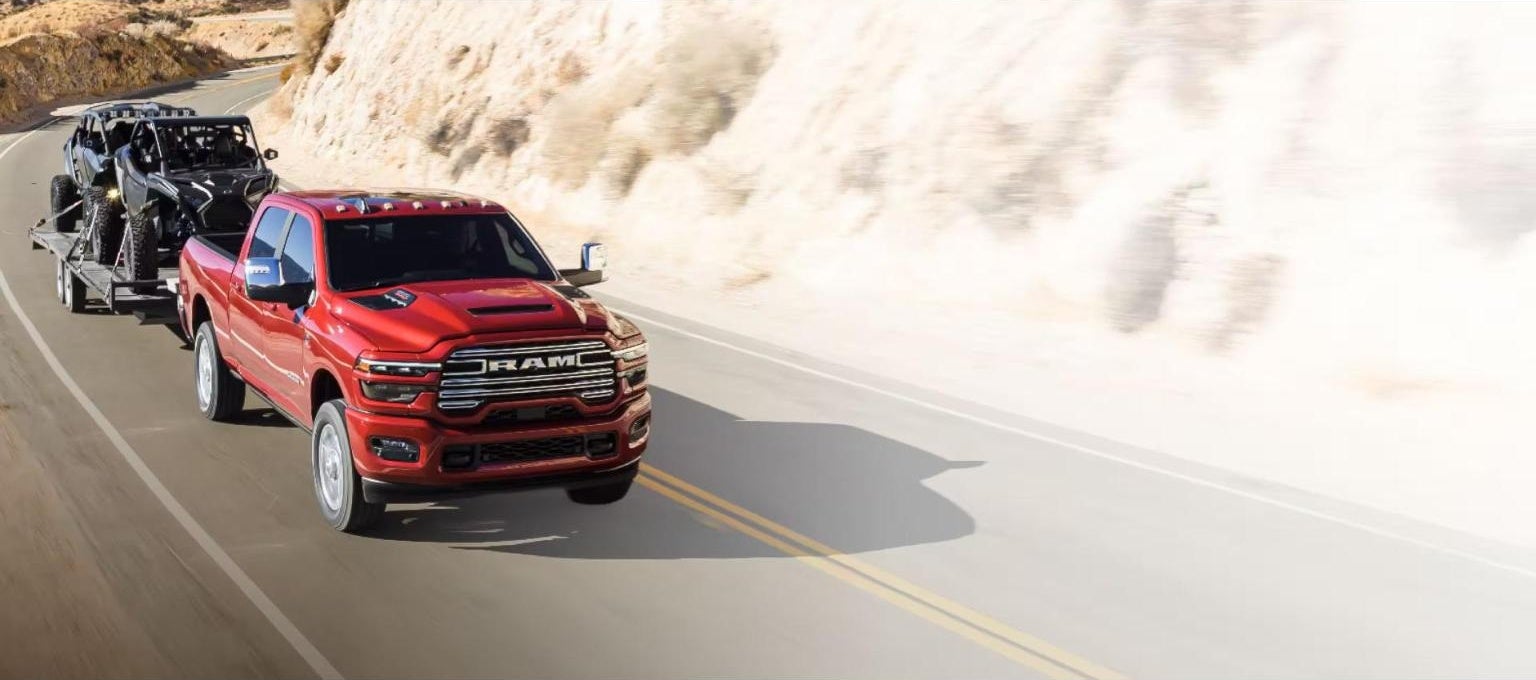





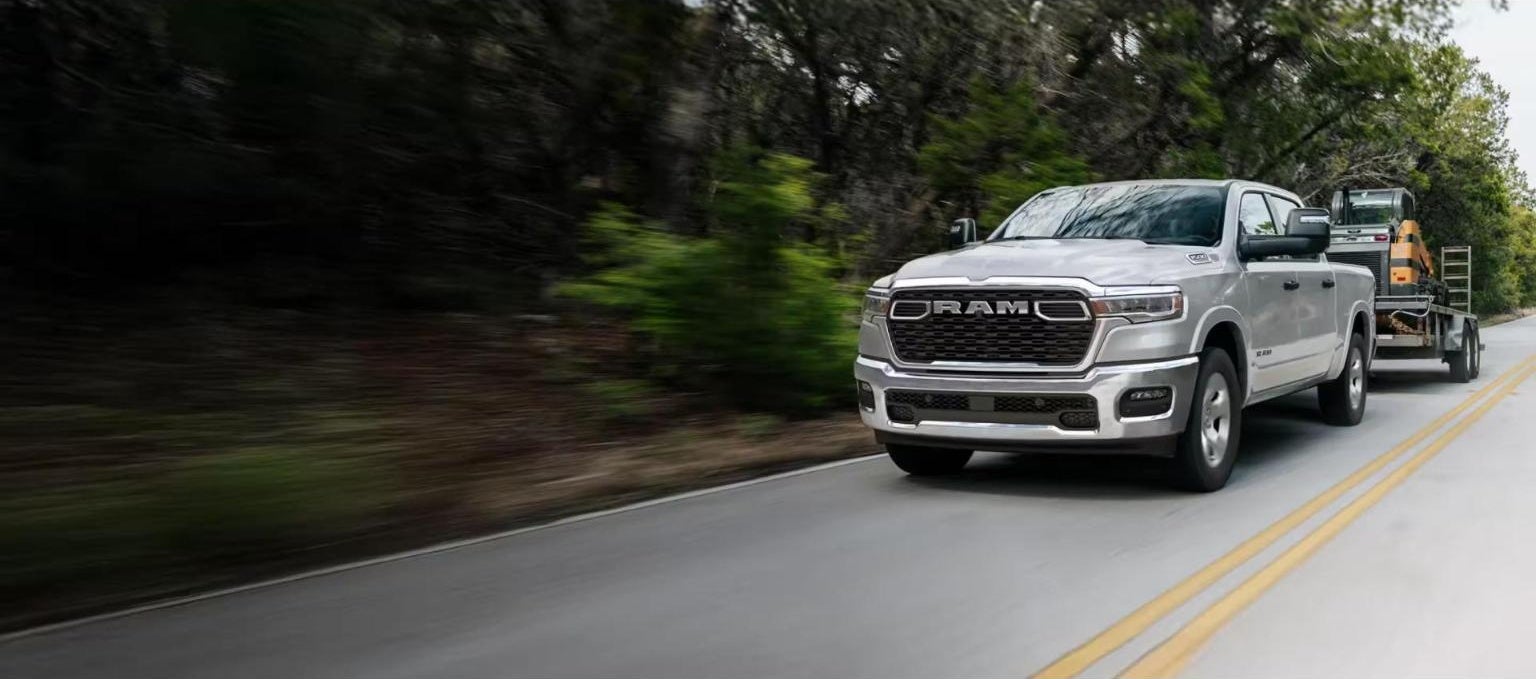
You've got two numbers on a spec sheet and one truck to pick, so which one matters more? Payload is the number many people forget, because everything inside and on the truck comes out of it before the trailer ever hooks up.
Towing capacity is how much a Ram can pull, trailer weight included. Payload is how much it can carry, passengers and cargo included. Both depend on how the truck is configured, so the right choice comes from reading the two together.
What Payload Covers
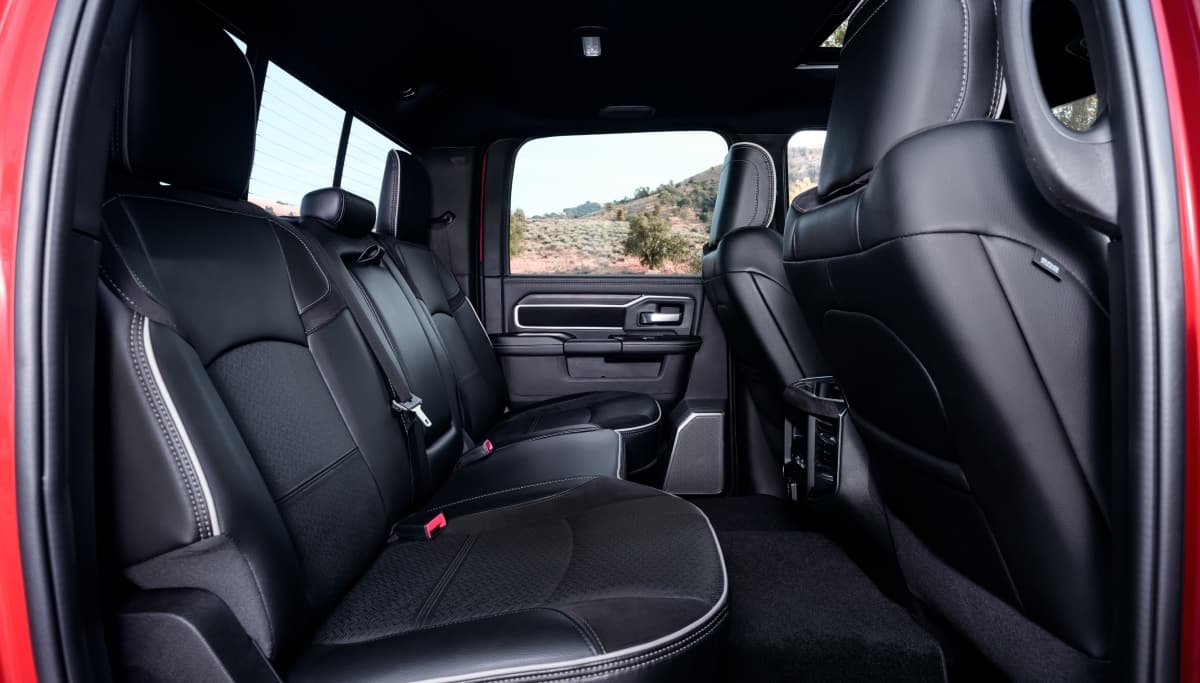
Payload is the weight your truck can carry. It includes the people in the cab and the gear in the bed, along with any toolbox or hitch you add.
It leaves out the truck's own weight. If you've ever loaded the bed with mulch and had three passengers on board, you've used payload before you ever think about a trailer.
What Towing Capacity Includes
Towing capacity counts the weight of the trailer itself, loaded. The figure comes from taking the truck's curb weight and payload away from the gross combined weight rating.
That means every pound you add to the truck can take a pound away from what it can tow. Four adults and a cooler change the math more than most people expect.
GVWR and GCWR in Plain Words
GVWR, the gross vehicle weight rating, is the most the truck itself should weigh when loaded, without a trailer, and GCWR, the gross combined weight rating, is the most the truck and a loaded trailer should weigh together, with the manufacturer setting both.
If you remember one thing, make it this: GCWR is the ceiling for the whole rig, and the truck and trailer share it.
Tongue Weight Ties Them Together
Tongue weight is the weight a loaded trailer puts on the hitch. It runs roughly 10% of the load for a conventional trailer and about 15% for a fifth-wheel or gooseneck.
Here's where the two numbers meet. Tongue weight lands on the truck, so it counts against payload. Too little can make a trailer sway, and too much can change how the truck handles.
Putting It Together on a Ram
Take the Ram 1500, which offers up to 2,360 pounds of payload and tows up to 11,610 pounds at the top of its range. Picture it carrying two coworkers and a toolbox to a job site in Canfield while pulling an equipment trailer: the people and the toolbox come out of payload, and so does the tongue weight. Those are maximums for specific builds, and the truck in your driveway may carry different numbers.
A truck with a bed topper, a toolbox or an upfit has less payload left, and our commercial vehicles team knows those numbers well. An upfit's weight comes off the total payload, and that also changes the tongue weight the truck can take and the trailer it can tow.
Bring your trailer's weight and your usual load of people and gear, and we'll check them against the ratings on any Ram in our new Ram inventory. If you need more, our Ram towing guide shows the trucks and technology built for bigger loads.
Towing and Payload Questions
What is GVWR?
GVWR stands for gross vehicle weight rating. It's the maximum weight of the truck itself when it's fully loaded, counting the truck, passengers, cargo and any upfit, but not a trailer. The manufacturer sets it, and it caps how much you can load into the truck.
What is GCWR?
GCWR stands for gross combined weight rating. It's the most the truck and a loaded trailer should weigh together, as set by the manufacturer. Towing capacity comes from this number after the truck's curb weight and payload are taken out, so a heavier truck load leaves less for the trailer.
What is tongue weight?
Tongue weight is the downward force a loaded trailer puts on the hitch. For a conventional trailer, plan on roughly 10% of the trailer's load, and for a fifth-wheel or gooseneck, about 15%. Too little weight can lead to sway, and all of it counts against payload.
Do passengers and gear reduce how much I can tow?
Passengers and cargo use up payload, and because towing capacity is figured from GCWR after payload comes out, a fuller truck can tow less. Load the truck the way you'll really use it before you decide on a trailer.
Does a toolbox or upfit count against payload?
An upfit or accessory adds weight, and its weight gets subtracted from the total payload to see how much is left for people and gear, and for tongue weight. Bring your plans in, and we'll help you run the numbers for the truck you like.
Let's Check Your Numbers
Stop in from Boardman, Youngstown or anywhere along US 224, and we'll go through the ratings together. You can also schedule a test drive. If you have questions beforehand, contact our team.